English
 Portuguese
 Russian

Why Mini PCs Are the Future of Factory Automation (And How to Choose the Right One)
The Rise of Mini PCs in Industrial Automation
Factory floors are no longer just about mechanical systems—they’re now ecosystems of sensors, AI-driven machines, and real-time data streams. Traditional workstations struggle with heat, dust, and the constant demands of automation software. Enter the mini PC: a compact, energy-efficient powerhouse designed specifically for industrial environments.
Unlike desktop PCs, mini PCs are built for durability, scalability, and real-time processing, making them ideal for:
PLC (Programmable Logic Controller) integration SCADA (Supervisory Control and Data Acquisition) systems AI-driven predictive maintenance Edge computing for IoT devices High-speed data analytics in smart factories
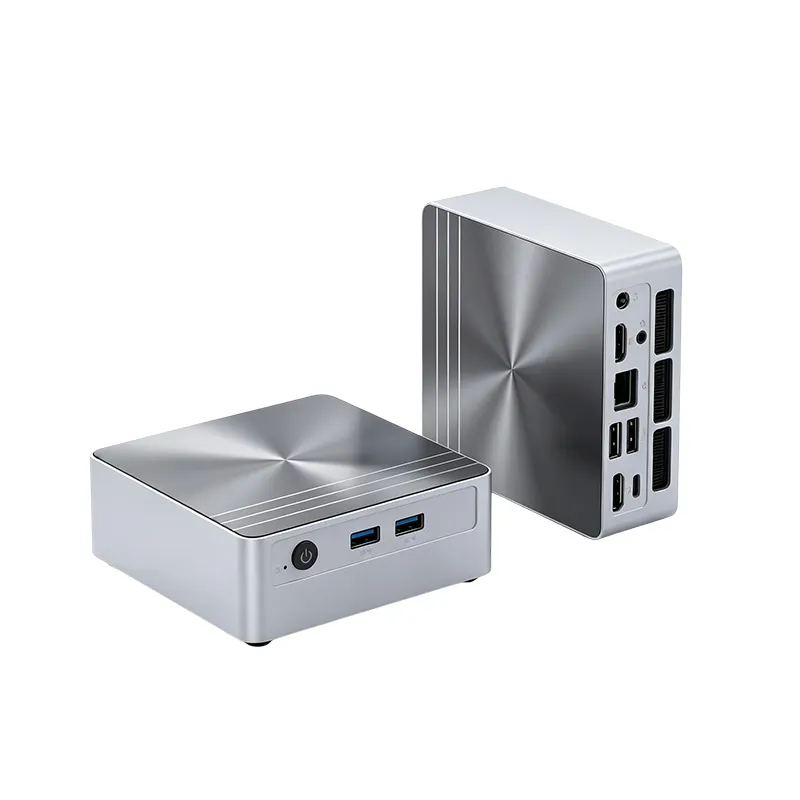
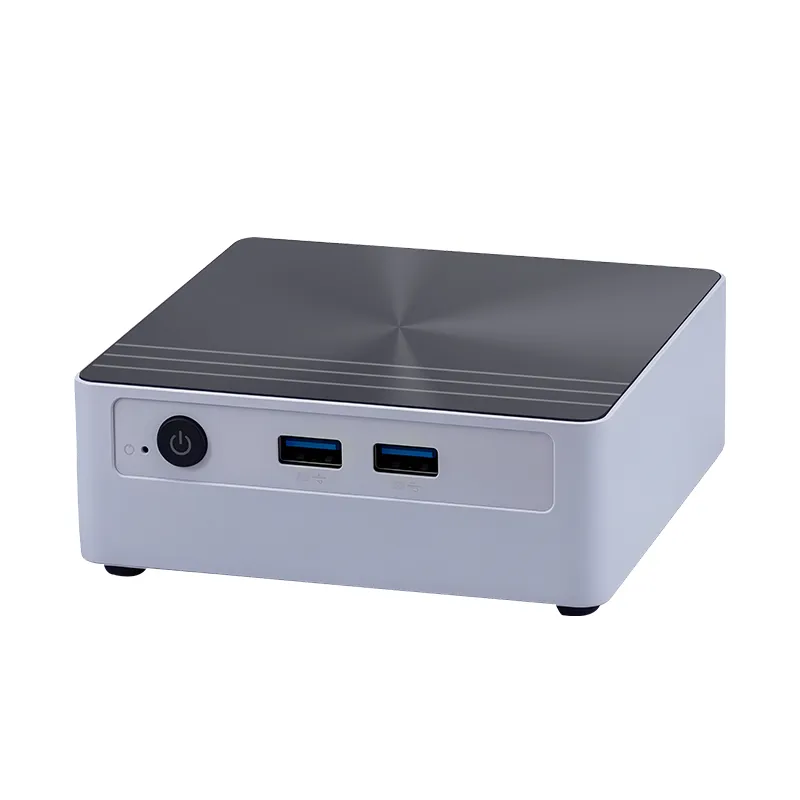
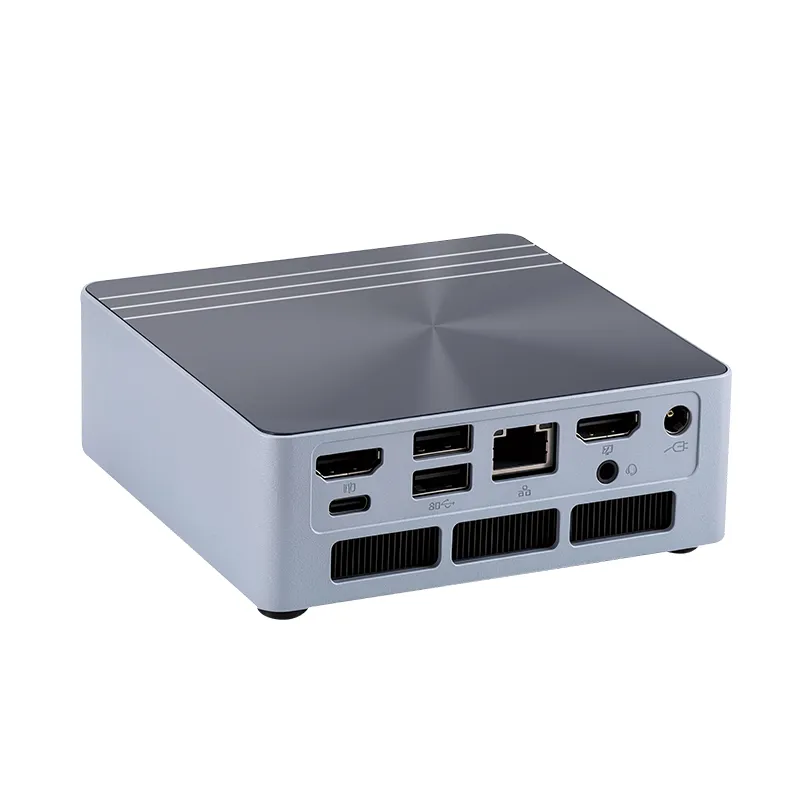
In 2026, as 5G, AI, and robotics become even more integral to automation, mini PCs will be the backbone of next-gen factories. But not all mini PCs are created equal. Let’s explore what makes a true industrial-grade mini PC and how to select the best one for your needs.
1. Performance: The Heart of Your Automation System
When choosing a mini PC for factory automation, processing power is non-negotiable. You need a system that can handle:
Real-time data processing (e.g., sensor fusion, AI inference) Multi-core CPU performance (for complex algorithms) High-speed storage (SSDs for low latency) Networking (10G Ethernet, Wi-Fi 6E, or even 5G connectivity)
Key Specifications to Look For:
Component Minimum Requirement Recommended for 2026 CPU Quad-core (Intel Core i5/i7 or AMD Ryzen 5/7) Octa-core (Intel Core i7/i9 or AMD Ryzen 9) for AI workloads GPU Integrated (Intel UHD/iGPU) Dedicated GPU (NVIDIA Jetson, RTX, or AMD Radeon) for deep learning RAM 8GB DDR4 16GB+ DDR5 for multitasking (e.g., PLC + AI + SCADA) Storage 256GB NVMe SSD 1TB+ NVMe SSD (PCIe 4.0 for speed) Networking 1G Ethernet 10G Ethernet + Wi-Fi 6E/6E+ for high-speed IoT Cooling Passive cooling Active cooling (fan-based or liquid cooling) for sustained performance
Pro Tip: If your factory runs 24/7, consider a mini PC with TDP (Thermal Design Power) monitoring to prevent overheating in extreme conditions.
2. Ruggedness: Built to Survive the Harshest Environments
Factory floors aren’t just dusty—they’re vibrating, temperature-fluctuating, and exposed to chemicals. A mini PC must be built to withstand:
IP65/IP67 dust and water resistance (critical for outdoor sensors) MIL-STD-810G shock and vibration testing (for heavy machinery) Wide temperature range (-40°C to +85°C) Anti-static protection (to prevent electrical damage)
Top Rugged Mini PC Brands (2026):
Intel NUC-based rugged PCs (e.g., Intel NUC 12 Pro with industrial-grade cooling) Dell PowerEdge Mini (enterprise-grade reliability) Lenovo ThinkSystem Mini (with ruggedized enclosures) Custom-built industrial PCs (e.g., Rittal, Fanuc, or Siemens-compatible solutions)
Warning: Avoid cheap mini PCs with non-IP-rated enclosures—they’ll fail under real-world conditions.
3. Scalability: Future-Proofing Your Investment
Factories evolve, and so should your hardware. A modular mini PC allows you to:
Upgrade CPU/GPU without replacing the entire unit Add more RAM/Storage as demand grows Integrate new AI models (e.g., from NVIDIA TensorRT to PyTorch) Switch between cloud and edge computing seamlessly
Best Scalable Mini PC Options:
Intel NUC with PCIe slots (for adding GPUs or expansion cards) Mini ITX motherboards with M.2 slots (for high-speed storage) Custom-built industrial PCs (with hot-swappable components)
Example Use Case: A factory using predictive maintenance AI today might need a Jetson Orin NX in 2026. But if they later adopt real-time path planning for robots, they’ll need an NVIDIA RTX GPU upgrade—something a modular mini PC makes easy.
4. Software Compatibility: Ensuring Seamless Integration
No mini PC is useful if it doesn’t work with your PLC, SCADA, or AI software. Key compatibility factors:
PLC Communication Protocols (Modbus, OPC UA, Ethernet/IP) SCADA Software (Siemens WinCC, Rockwell Studio 5000, Honeywell PlantWeb) AI Frameworks (TensorFlow, PyTorch, OpenCV) Cloud Integration (AWS IoT, Azure Edge, Google Cloud Edge)
Top Mini PC for Automation Software:
Software Recommended Mini PC Siemens PLC Intel NUC with OPC UA support Rockwell FactoryTalk Dell PowerEdge Mini Honeywell PlantWeb Lenovo ThinkSystem Mini NVIDIA Jetson AI NVIDIA Jetson Orin NX OpenCV/Python AMD Ryzen-based mini PC
Pro Tip: If your factory uses multiple PLC brands, look for a mini PC with universal communication protocols (e.g., Ethernet/IP + Modbus TCP).
5. Power Efficiency: Saving Energy Without Sacrificing Performance
Factory automation consumes millions of watts daily. A highly efficient mini PC reduces energy costs and extends battery life (if used in mobile setups).
Key Efficiency Metrics:
Best Power-Efficient Mini PCs (2026):
Intel NUC 13 Pro (80W TDP, great for AI inference) AMD Ryzen 7 PRO 7840U (15W TDP, ultra-low power) NVIDIA Jetson Orin NX (10W TDP, perfect for edge AI)
Top 5 Mini PCs for Factory Automation in 2026 (And How to Choose)
Now that we’ve covered the key factors, let’s dive into the best mini PCs for factory automation in 2026. We’ll compare performance, ruggedness, and real-world use cases to help you make the right choice.
1. Intel NUC 13 Pro (Best for AI & Real-Time Processing)
Why It’s a Top Pick: The Intel NUC 13 Pro is the most powerful mini PC for AI-driven factory automation, thanks to its 12th/13th-gen Intel Core processors and NVIDIA RTX 40-series GPU support (when upgraded).
Key Features:
Best For:
Predictive maintenance AI (using TensorFlow/PyTorch) Robotics path planning (real-time sensor fusion) High-speed SCADA systems (with 10G Ethernet)
Potential Downsides:
Expensive (especially with GPU upgrades). Limited expansion slots (only 2x M.2 slots).
Final Verdict: If AI and real-time processing are your priority, the Intel NUC 13 Pro is the best mini PC for factory automation in 2026.
2. Dell PowerEdge Mini (Best for Enterprise & Ruggedness)
Why It’s a Top Pick: Dell’s PowerEdge Mini is the enterprise-grade mini PC, built for 24/7 reliability in the most demanding factory environments.
Key Features:
✅ Intel Xeon W-3200/3400 – Up to 28 cores, ideal for heavy SCADA and PLC workloads. ✅ 10G Ethernet + SFP+ ports – Enterprise-grade networking. ✅ IP65/IP67-rated enclosure – Survives extreme conditions. ✅ Hot-swappable storage – Easy upgrades without downtime. ✅ Redundant power supply – No single point of failure.
Best For:
Large-scale manufacturing plants (with multiple PLCs). SCADA systems requiring 24/7 uptime. Factories with high vibration/shock risks.
Potential Downsides:
Very expensive (best for enterprise budgets). No GPU support (unless custom-built).
Final Verdict: If you need unmatched reliability and scalability, the Dell PowerEdge Mini is the best industrial mini PC for enterprise automation.
3. Lenovo ThinkSystem Mini (Best for Balanced Performance & Price)
Why It’s a Top Pick: Lenovo’s ThinkSystem Mini offers a great balance of performance, price, and ruggedness, making it ideal for mid-sized factories.
Key Features:
✅ AMD Ryzen 9 PRO 7950HS – 16 cores, 32 threads for heavy AI workloads. ✅ PCIe 4.0 NVMe SSD – Fast data processing. ✅ IP65-rated enclosure – Dust and water-resistant. ✅ 10G Ethernet + Wi-Fi 6 – Low-latency communication. ✅ Modular cooling – Prevents overheating.
Best For:
Factories using AMD-based AI frameworks (e.g., Radeon Instinct for GPU acceleration). Mid-range SCADA and PLC systems. Budget-friendly industrial PCs.
Potential Downsides:
No dedicated GPU (unless upgraded). Slightly less powerful than Intel-based options.
Final Verdict: If you want a high-performance mini PC without breaking the bank, the Lenovo ThinkSystem Mini is a great choice.
4. NVIDIA Jetson Orin NX (Best for AI Edge Computing)
Why It’s a Top Pick: The NVIDIA Jetson Orin NX is specifically designed for AI edge computing, making it the best mini PC for real-time AI in factories.
Key Features:
✅ NVIDIA Jetson Orin NX – 256-core GPU for real-time AI inference. ✅ 10G Ethernet + Wi-Fi 6 – Low-latency IoT communication. ✅ IP65-rated enclosure – Rugged for industrial use. ✅ 100W TDP – Energy-efficient for 24/7 operation. ✅ Supports TensorFlow, PyTorch, OpenCV.
Best For:
Predictive maintenance AI (using NVIDIA DeepStream). Robotics vision systems (object detection in real-time). Smart factory analytics (real-time data processing).
Potential Downsides:
Expensive (especially for AI workloads). Limited CPU cores (better suited for GPU-heavy tasks).
Final Verdict: If AI edge computing is your biggest need, the NVIDIA Jetson Orin NX is the best mini PC for factory automation in 2026.
5. Custom Industrial Mini PC (Best for Tailored Solutions)
Why It’s a Top Pick: Sometimes, off-the-shelf mini PCs just don’t cut it. A custom-built industrial mini PC allows you to: ✔ Specify exact CPU/GPU/RAM for your workload. ✔ Add specialized expansion cards (e.g., USB 4.0, PCIe 5.0). ✔ Choose the most rugged enclosure (e.g., MIL-STD-810G certified). ✔ Integrate with PLCs, SCADA, and AI software seamlessly.
Best For:
Factories with *unique hardware requirements* (e.g., high-speed cameras, custom sensors). Research & development labs (prototyping AI models). High-security automation systems (with hardened OS).
Potential Downsides:
More expensive (but long-term cost savings). Longer lead time (requires custom manufacturing).
Final Verdict: If you need a mini PC built specifically for your factory’s needs, a custom industrial mini PC is the best long-term solution.
How to Choose the Right Mini PC for Your Factory in 2026
Now that we’ve covered the top mini PCs, here’s a step-by-step guide to help you decide:
Step 1: Define Your Workload
Workload Recommended Mini PC PLC & SCADA (Basic) Lenovo ThinkSystem Mini AI Predictive Maintenance Intel NUC 13 Pro Robotics & Vision Systems NVIDIA Jetson Orin NX Enterprise SCADA Dell PowerEdge Mini Custom Hardware Needs Custom Industrial Mini PC
Step 2: Check Ruggedness Requirements
Need IP65/IP67? → Intel NUC, Lenovo ThinkSystem, or Custom PC Need MIL-STD-810G? → Custom Industrial PC Need vibration resistance? → Dell PowerEdge Mini
Step 3: Consider Future-Proofing
Will you need GPU upgrades? → Intel NUC or Custom PC Will you switch from Intel to AMD? → Lenovo ThinkSystem Mini Will you need 10G Ethernet? → All enterprise-grade options
Step 4: Budget Considerations
Budget Range Best Mini PC Options $500–$1,500 Lenovo ThinkSystem Mini $1,500–$3,500 Intel NUC 13 Pro $3,500+ Dell PowerEdge Mini, Custom PC
Final Thoughts: The Future of Factory Automation Starts Here
The mini PC revolution is transforming factory automation, offering unprecedented performance, scalability, and durability. By 2026, AI, IoT, and real-time data processing will be the backbone of smart factories—but only the right mini PC can handle the load.
Whether you choose an Intel NUC for AI, a Dell PowerEdge for enterprise, a Jetson Orin for edge computing, or a custom-built industrial PC, the key is matching hardware to your specific needs.
Ready to upgrade your factory automation setup? Start with a performance benchmark, test real-world conditions, and future-proof your investment—because in 2026, the best factories will be the ones that adapt fastest.
Next Steps: ✅ Research your exact automation software (PLC, SCADA, AI). ✅ Compare mini PCs based on your workload (CPU, GPU, storage). ✅ Consider future upgrades (modularity, expansion slots). ✅ Get a ruggedized enclosure if your factory is extreme.
https://www.yanyuetech.com/product-details/amd-low-power-mini-pc-cloud-terminal-ryzen-series-cpu-2hdmi-type-c-display/
Would you like recommendations for specific automation software compatibility or cooling solutions for high-performance mini PCs? Let us know in the comments!